

The Food & Confectionery industry encompasses the production and distribution of a vast array of edible products, ranging from staples to indulgent treats. It involves rigorous quality control, innovation in flavours and textures, and adherence to food safety standards to meet consumer demand for diverse and enjoyable culinary experiences. This dynamic industry is influenced by changing consumer preferences, cultural influences, and global trends in health and wellness.

Acetic acid, also known by its systematic name ethanoic acid, is an organic compound with the chemical formula CH₃COOH. It is a colorless liquid with a distinctive pungent smell and sour taste, commonly recognized as the main component of vinegar apart from water. Acetic acid is a vital chemical reagent and industrial chemical used in various applications across multiple industries. Characteristics Chemical Structure: Molecular Formula: CH₃COOH Molecular Weight: 60.05 g/mol Acetic acid consists of a methyl group (CH₃) attached to a carboxyl group (COOH).
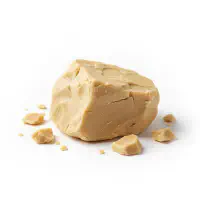
Cocoa Butter Substitutes (CBS) are lauric-based vegetable fats, produced from fractionated, hydrogenated, refined vegetable fat of lauric origin (Refined Palm Kernel Stearin/ Refined Palm Kernel Oil). Designed for superior performance in confectionery, it delivers cocoa butter-like snap, steep melting, and no waxy afterfeel while eliminating tempering requirements, enabling streamlined manufacturing processes and consistent quality in high-volume production. Characteristics Physical Form and Sensory Profile: Appears as a creamy white solid in block or flake form, exhibiting a neutral taste and odour.
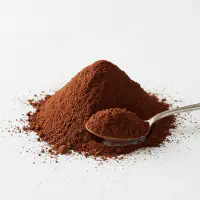
Cocoa powder is the concentrated, unsweetened essence of the cacao bean. It is what remains after the cocoa butter (the natural fat) has been extracted from the fermented, dried, and roasted beans. The result is a fine, intensely flavoured powder that serves as the backbone for chocolate-flavoured baked goods, beverages, and desserts. Cocoa powder is made from the seeds of the Theobroma cacao tree. These beans are fermented and roasted to develop flavour, then ground into a liquid known as chocolate liquor.
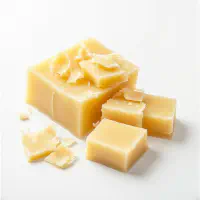
Palm wax is a natural, biodegradable wax derived from the oil of palm berries. It has become a favourite in the candle-making world, specifically for its unique aesthetic and eco-friendly profile. Palm wax is particularly prized for its unique aesthetic and clean-burning properties. Characteristics Crystalline Finish: One of its most distinctive features is the “feathering” or “marbling” effect. As the wax cools, it forms beautiful, intricate crystal patterns on the surface, making every candle unique.
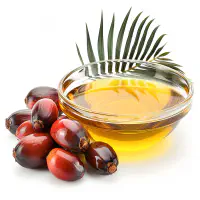
Palm oil is a vegetable oil derived from the fruit of oil palm trees. Characteristics Appearance: Palm oil is typically a yellow-orange to reddish liquid at room temperature. It has a smooth and creamy consistency. Melting point: The melting point of palm oil is around 35-45 degrees Celsius (95-113 degrees Fahrenheit). This relatively low melting point allows it to remain liquid at room temperature. Density: The density of palm oil is approximately 0.
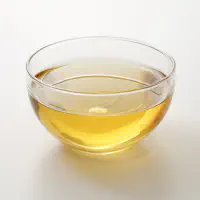
Palm Olein is a derivative of palm oil, specifically the liquid fraction obtained after the process of fractionation. Characteristics Appearance: Palm Olein has a clear, golden-yellow color. It is transparent and does not have any visible solids or impurities. Texture: Palm Olein is a liquid at room temperature. It has a smooth and pourable consistency, making it easy to handle and use. Melting Point: Palm Olein does not have a distinct melting point since it remains in a liquid state at room temperature.
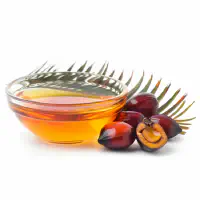
Palm kernel oil is derived from the kernel of the oil palm fruit and has distinct physical properties: Characteristics Appearance: Palm kernel oil is typically a light yellow to white solid at room temperature. However, when heated, it melts into a clear, yellowish liquid. Melting point: The melting point of palm kernel oil is higher than that of palm oil. It typically ranges from 23 to 28 degrees Celsius (73 to 82 degrees Fahrenheit).
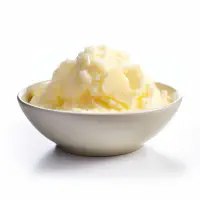
Palm stearin is a solid fraction of palm oil obtained through the fractionation process, known for its high saturated fatty acid content. It is commonly used in the food industry for stabilizing fats, producing margarine, and in the production of candles and soap. Characteristics Appearance: Palm stearin is a solid fat at room temperature. It has a creamy white to pale yellow color and a smooth, waxy texture. Melting point: Palm stearin has a higher melting point compared to palm oil.
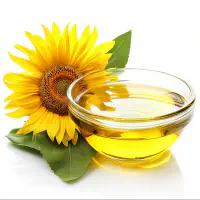
Sunflower oil is a popular cooking oil that is extracted from sunflower seeds. It is known for its light color, mild flavor, and high smoke point, making it versatile for various cooking methods. Here are some characteristics and applications of edible sunflower oil: Characteristics High smoke point: Sunflower oil has a high smoke point, making it suitable for frying and high-heat cooking methods without burning or breaking down easily. Light flavor: It has a mild flavor that doesn’t overpower the taste of the food, making it suitable for a wide range of dishes.
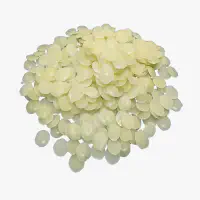
Rice bran wax is a natural, vegetable-based wax extracted from the husks of rice grains. It has gained significant popularity as a sustainable, vegan alternative to other natural waxes and petroleum-based waxes. When rice is processed, the outer husk (bran) is removed. This bran contains a small amount of oil. When that oil is refined, the wax is separated and purified into the hard, pale-yellow flakes or pellets seen in manufacturing.
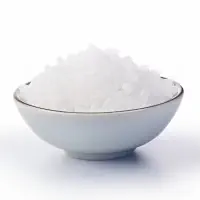
Food grade microcrystalline wax, also known as food wax, is a versatile material with several industrial applications in the food and related industries. Here are some common industrial applications of food grade microcrystalline wax: Applications Food processing: Food grade microcrystalline wax is used in the food processing industry for various purposes. It is commonly applied as a coating or glazing agent on fresh produce, such as fruits and vegetables, to improve their appearance, texture, and increase shelf life.
For a consultation call us today at
+44 20 7101 3847
Bio Greenware Ltd ®